Your cart is currently empty!
Tag: Lock-in Amplifier
-

An ultrafast introduction to quantum optics
Quantum optics as a concept dates back to either 1900 or 1905, years when groundbreaking work in the realm of quantum mechanics was published by Max Planck and Albert Einstein, respectively. In Planck’s case, he was working on a discrepancy that later became artfully known as the “ultraviolet catastrophe.” Planck’s solution to this problem, in…
-

What’s a digital lock-in amplifier, and how does it work?
Digital lock-in amplifiers help scientists and engineers make phase-sensitive measurements of incredibly small alternating current (AC) signals, sometimes buried beneath the noise floor (Figure 1). By providing a lock-in amplifier with a reference signal, a researcher can extract phase and amplitude information from a signal of interest in the same frequency region, even in an…
-
Optimizing an SRS Lock-in Amplifier for stimulated Raman scattering research
Stimulated Raman scattering (SRS) microscopy is a widely used technique for label-free chemical imaging that leverages the coherent Raman scattering process. While the spontaneous Raman effect is a weak scattering process that can take hours of signal integration time for a single field of view, coherent scattering methods like SRS provide a non-destructive, label-free technique.1…
-

Advancing Fourier transform ultrafast spectroscopy with Moku:Pro
Introduction Fourier transform ultrafast spectroscopy (FTUS) is a powerful technique that has revolutionized the way scientists capture and analyze spectra with exceptional speed and precision. By employing the principles of Fourier transform, FTUS efficiently dissects intricate signals into their frequency components by employing an interference approach with a reference signal. This method allows for the…
-

Driving a new wave of cell sorting innovation at NanoCellect with Moku:Lab
Introduction NanoCellect Biomedical specializes in the development of innovative cell analysis and sorting solutions. Leveraging its proprietary microfluidic technology, NanoCellect is revolutionizing the field of cell biology by providing researchers and clinicians with user-friendly, high-throughput options for cell analysis, sorting, and isolation. By empowering researchers with reliable and flexible tools, NanoCellect is driving advancements in…
-

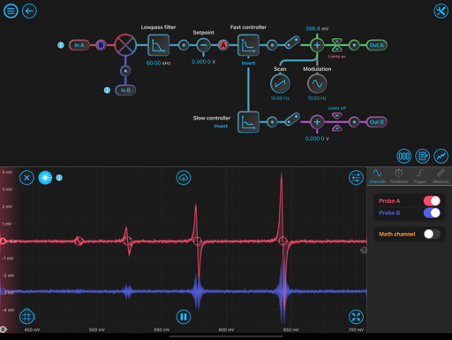
Advancing optical clock performance with Moku:Pro
Introduction Humboldt University of Berlin is a prestigious public institution in Germany with a long history of supporting leading-edge scientific research. The university is linked to countless major breakthroughs in physics, and its impressive roster of faculty alumni includes none other than Albert Einstein. Julien Kluge, a Ph.D. candidate in the Joint Lab Integrated Quantum…
-

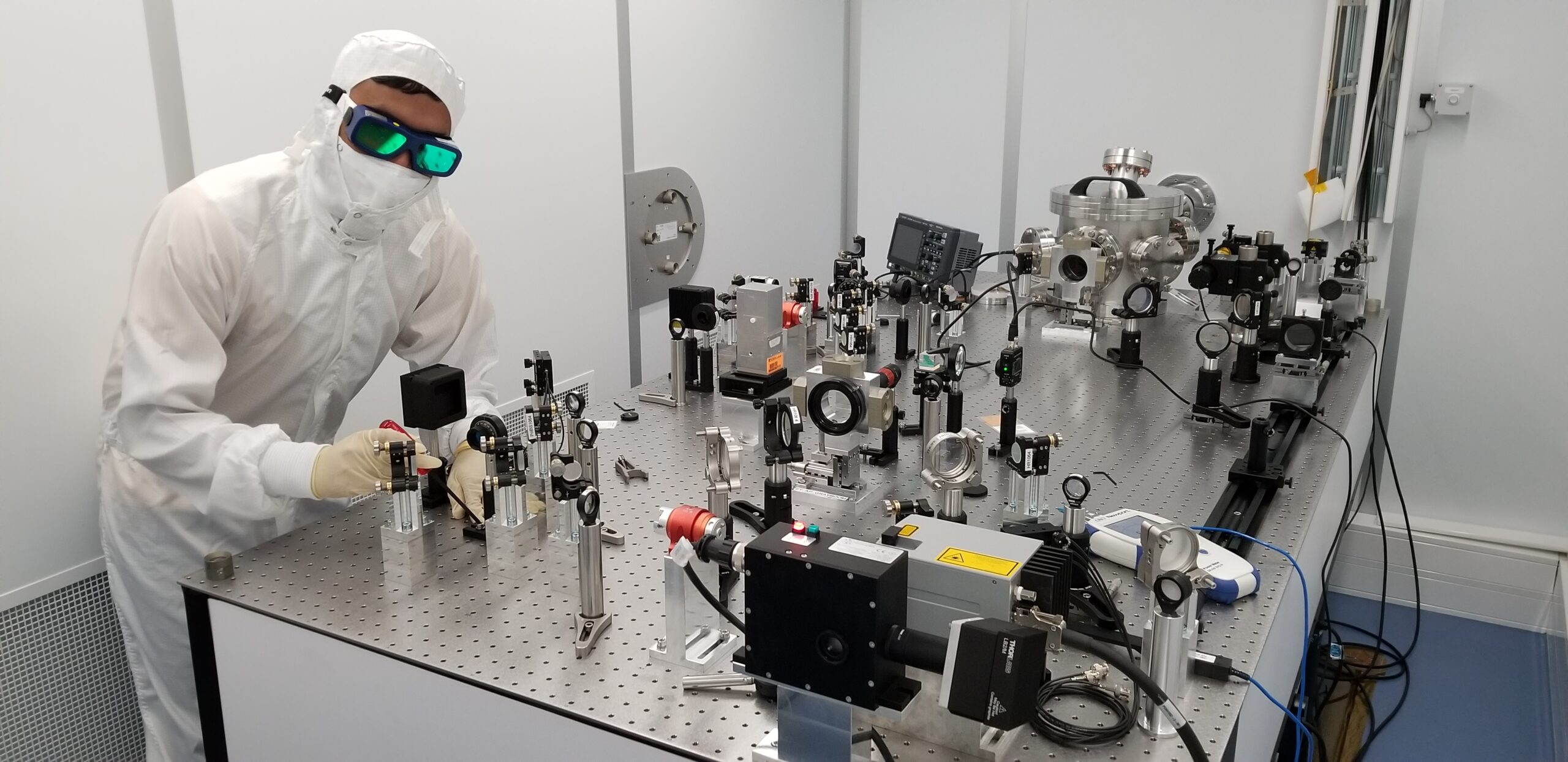
Shining light through a wall: Axion detection at DESY with Moku:Lab and Moku:Pro
Introduction The Any Light Particle Search (ALPS) is a research group at Deutsches Elektronen-Synchrotron (DESY), a world-renowned research institution for fundamental science based in Hamburg — and Germany’s largest accelerator center (Figure 1). Following the institution’s motto, “the decoding of matter,” postdoctoral researcher Todd Kozlowski is working on an axion detection project to better understand…
-

Building a sustainable, competitive solar car with Moku:Go and the Chalmers Solar Team
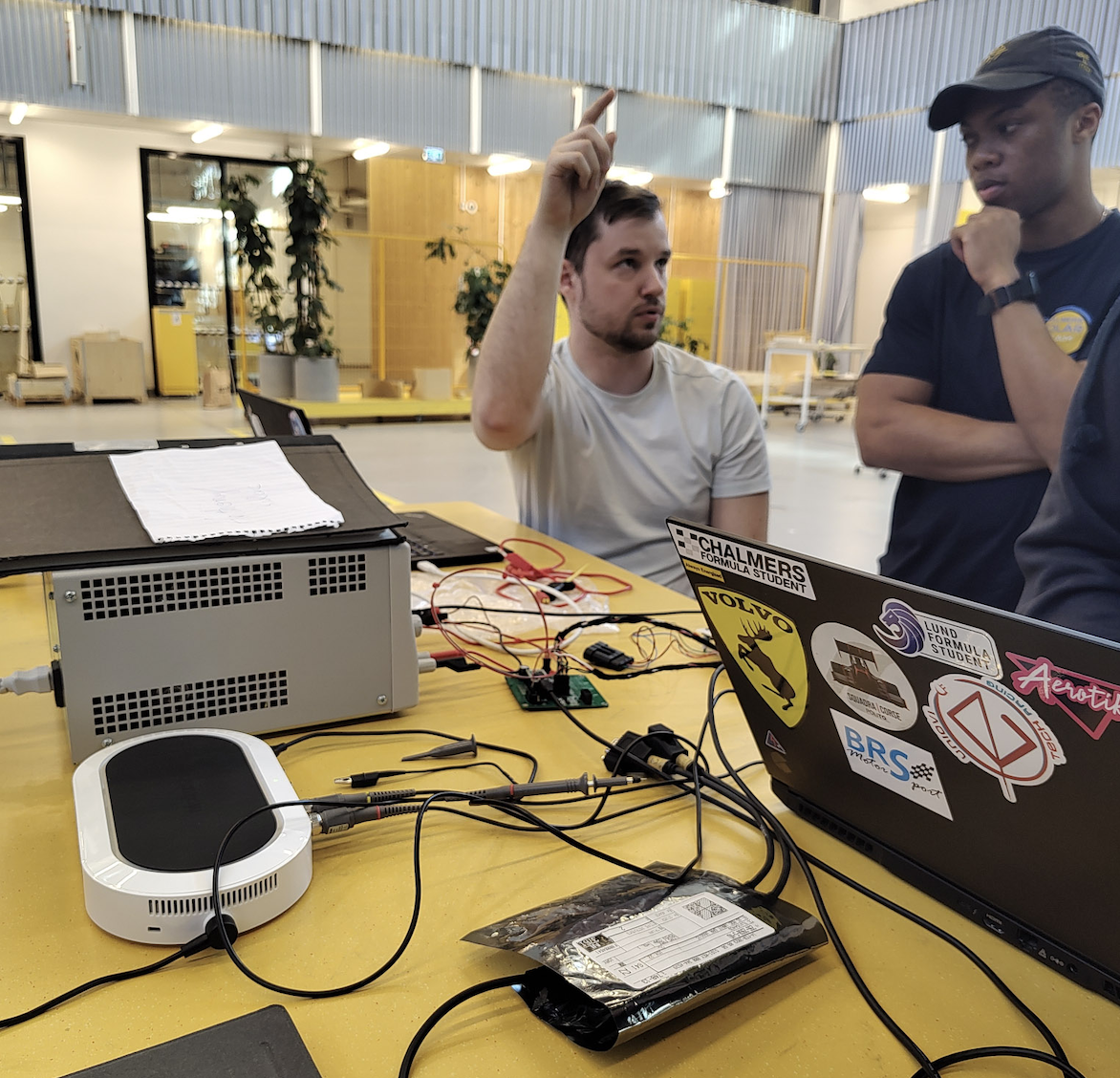
Introduction Founded in 2018 in Gothenburg, Sweden, the Chalmers Solar Team is a student-driven, nonprofit project aiming to build competitive, sustainable solar-powered electric cars (Figure 1). The team competes in the Bridgestone World Solar Challenge, an annual event that attracts teams from leading universities around the globe to put their designs to the test in…
-

Accelerating microelectromechanical systems (MEMS) design at Oregon State University with Moku:Go
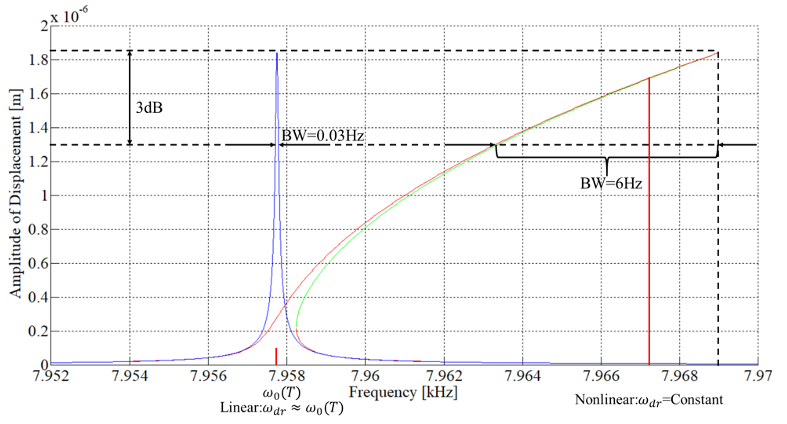
Introduction Microelectromechanical systems (MEMS) are minuscule but mighty machines, typically ranging from a few micrometers to a few millimeters in size. These tiny workhorses can sense, control, and manipulate their environment at a very small scale. Researchers use them in a range of applications, from sensors to actuators to microfluidics. To ensure their reliability, these…