Your cart is currently empty!
Category: Laser Lock Box
-

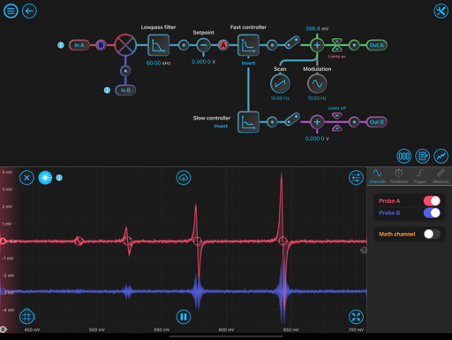
Exploring laser frequency stabilization and laser locking techniques
The laser is one of the most important inventions of the 20th century, as far as experimental physics is concerned. Since the first demonstration of a laser in 1960, they have become ubiquitous in research labs across the world, forming a cornerstone of modern optics and quantum research. Laser stabilization, also known as laser locking,…
-

Advancing optical clock performance with Moku:Pro
Introduction Humboldt University of Berlin is a prestigious public institution in Germany with a long history of supporting leading-edge scientific research. The university is linked to countless major breakthroughs in physics, and its impressive roster of faculty alumni includes none other than Albert Einstein. Julien Kluge, a Ph.D. candidate in the Joint Lab Integrated Quantum…
-

Shining light through a wall: Axion detection at DESY with Moku:Lab and Moku:Pro
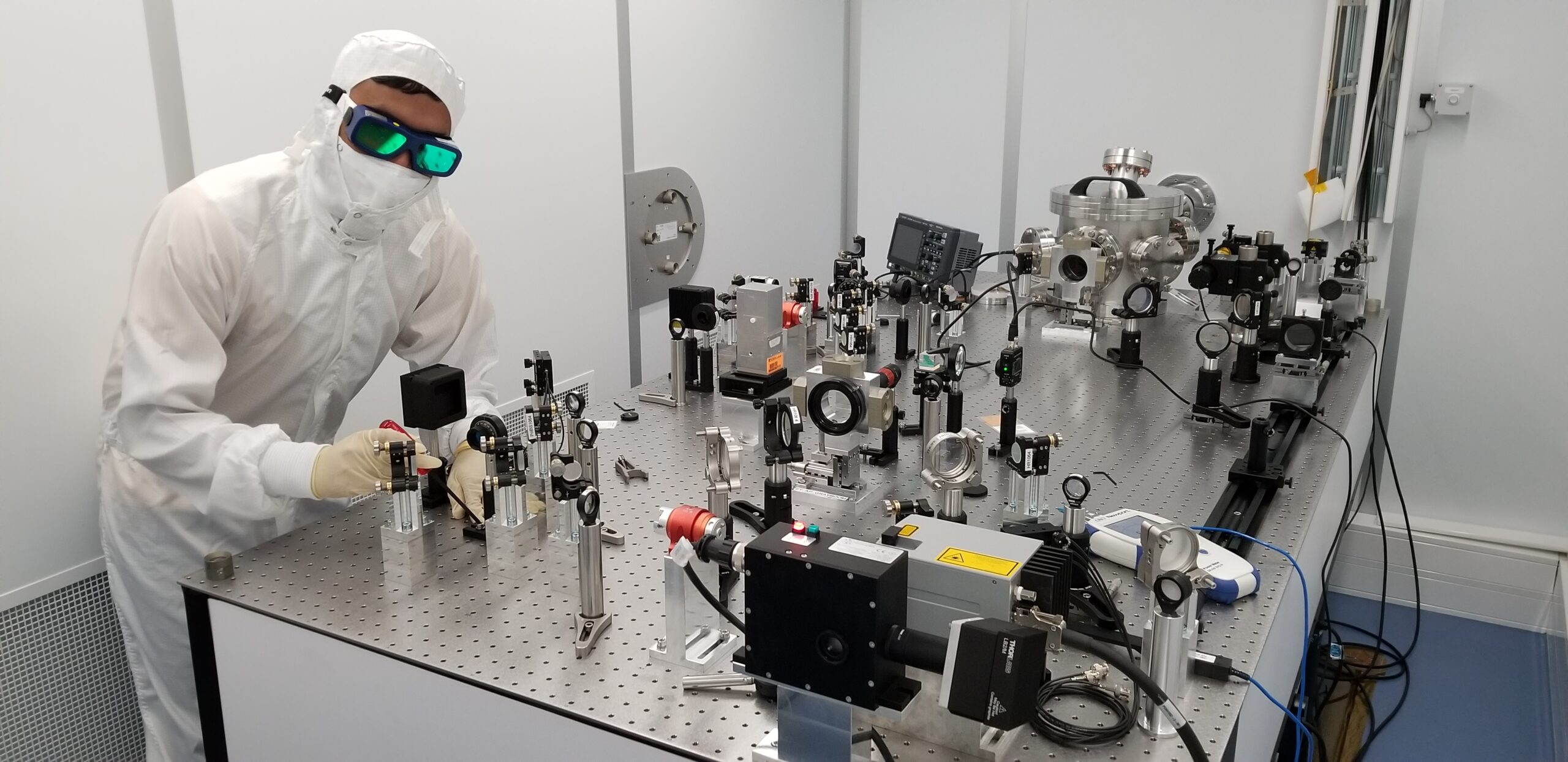
Introduction The Any Light Particle Search (ALPS) is a research group at Deutsches Elektronen-Synchrotron (DESY), a world-renowned research institution for fundamental science based in Hamburg — and Germany’s largest accelerator center (Figure 1). Following the institution’s motto, “the decoding of matter,” postdoctoral researcher Todd Kozlowski is working on an axion detection project to better understand…
-

Laser locking with closed-loop transfer function measurement
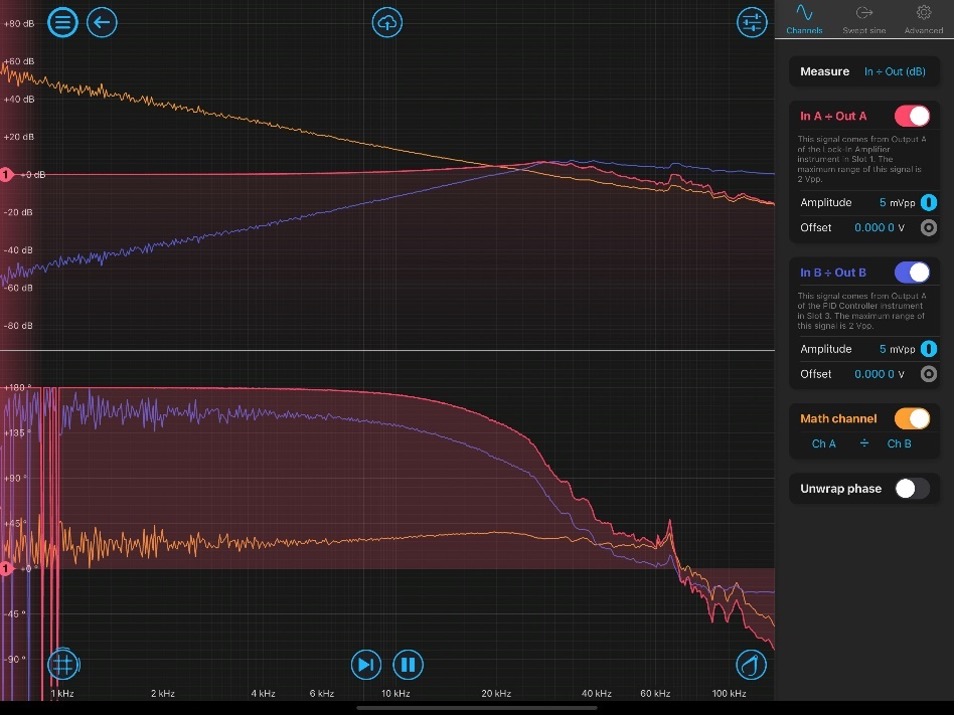
Multi-instrument Mode on Moku:Pro allows you to lock lasers to optical cavities with the Laser Lock Box while also measuring the Bode plots by using the Frequency Response Analyzer (FRA) with no additional test equipment or wiring. By injecting a disturbance into the error signal and measuring the transfer function using the FRA, you can check…
-

Resonator length stabilization with the Moku:Pro Laser Lock Box at the University of Münster
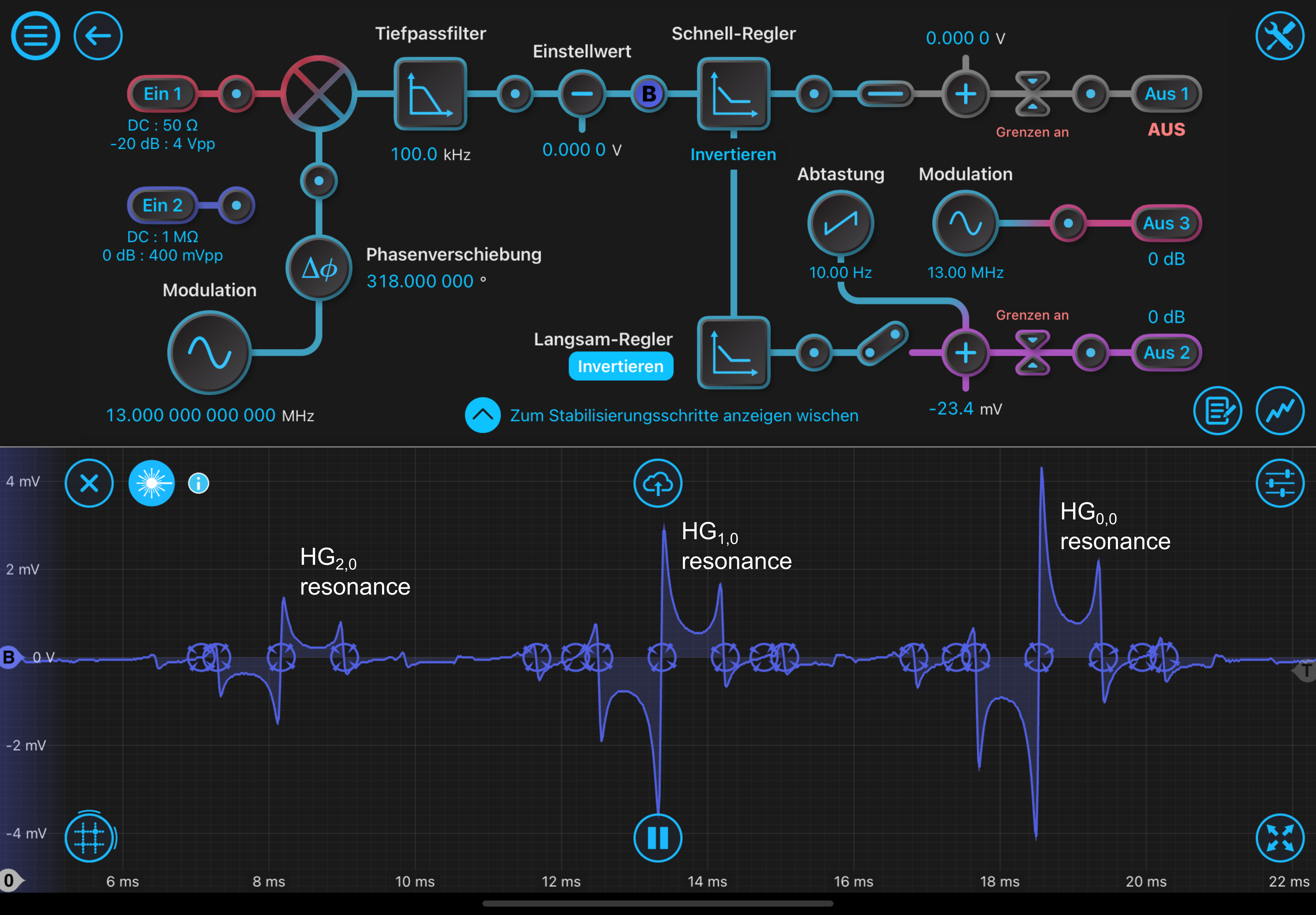
Introduction At the University of Münster, a top educational institution in Germany that offers degree programs in more than 120 fields, Ph.D. student Michael Zwilich is working hard to characterize beams with different spatial profiles. Instead of suppressing the higher-order transverse modes, much like in typical gravitational wave detection methods with a single-frequency Gaussian beam,…
-

Easily locking lasers to a high-finesse cavity with Moku:Pro
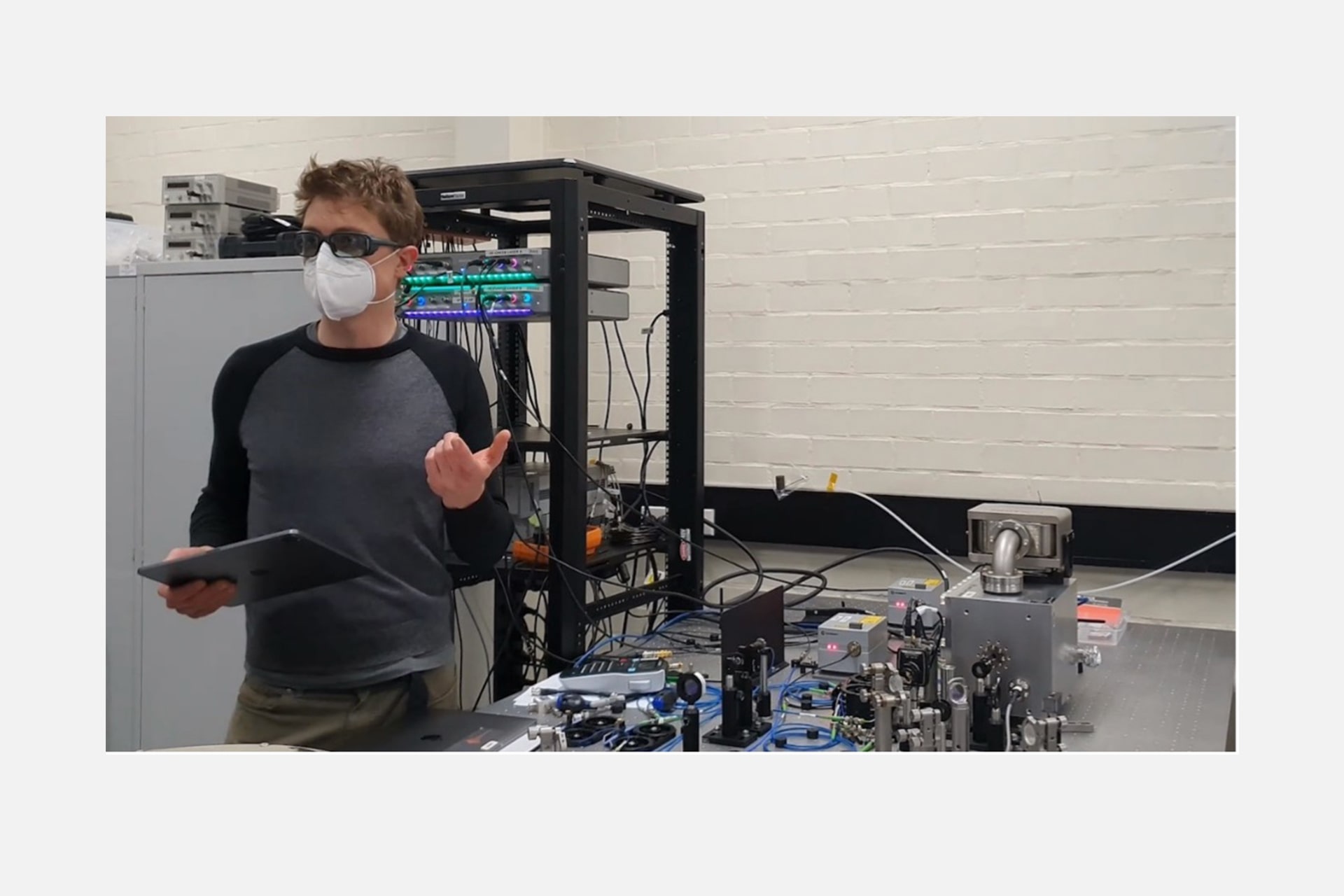
Summary At the Centre for Gravitational Astrophysics/OzGrav at the Australian National University, Dr. Andrew Wade and team are developing ultra-stable frequency reference sources for use in long-range, high-precision laser sensing projects. Moku:Pro’s Laser Lock Box and its FPGA-based digital implementation enables them to easily acquire lock and tune parameters for a more accessible, robust solution…
-

-