Your cart is currently empty!
Category: Application notes
-

Starting with Moku Cloud Compile
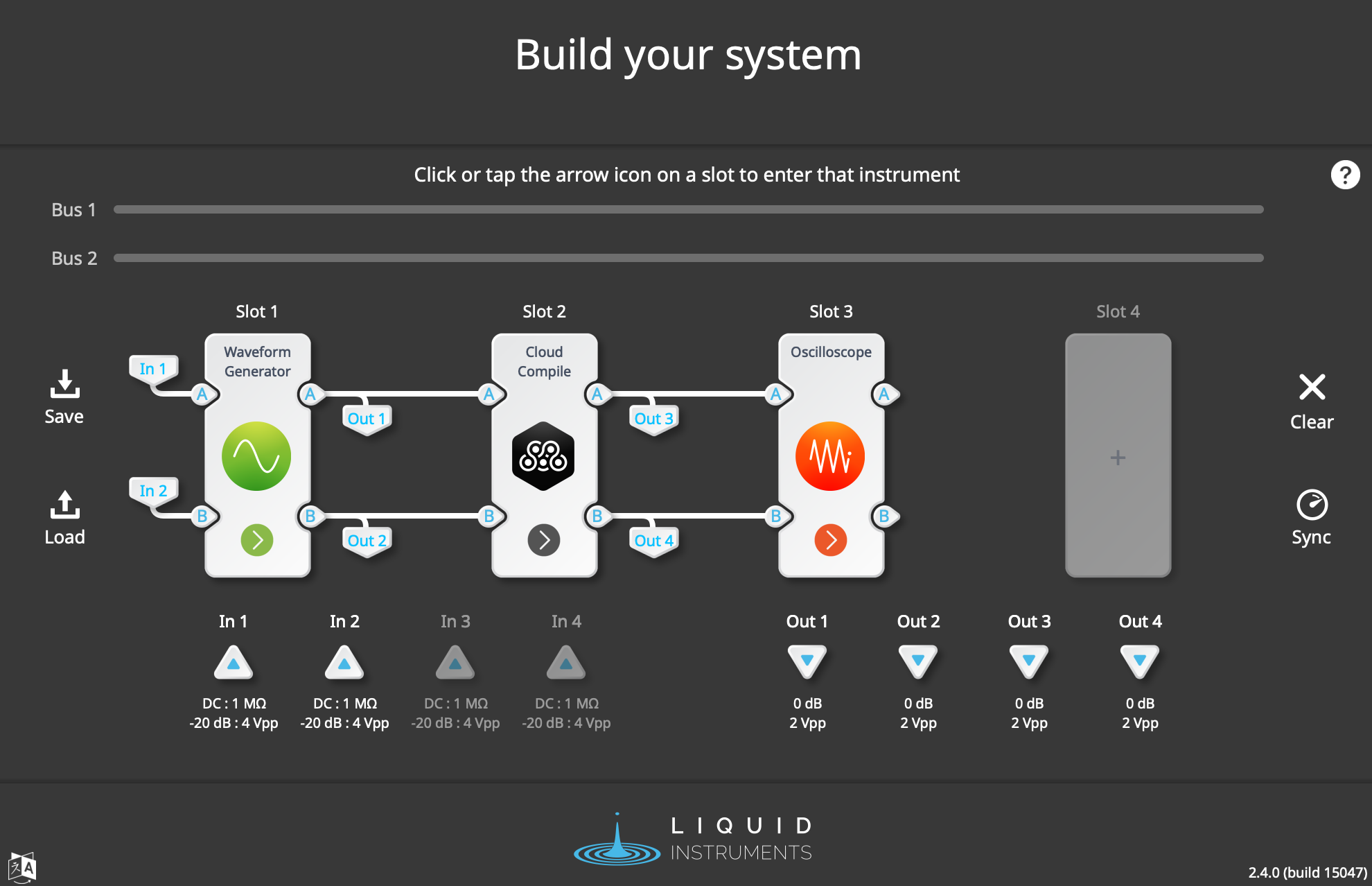
Introduction Moku Cloud Compile (MCC) is a feature of Liquid Instruments Moku products allowing a user to run custom logic inside the Moku device. The basic workflow for creating this custom logic is to: Log in to the MCC Web IDE and create a project Write your HDL logic, upload logic from a converter tool…
-

Digital Filter Prototyping with Multi-instrument Mode
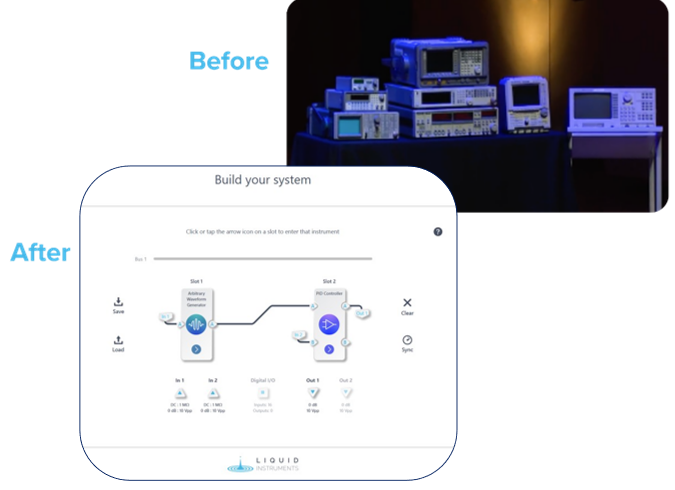
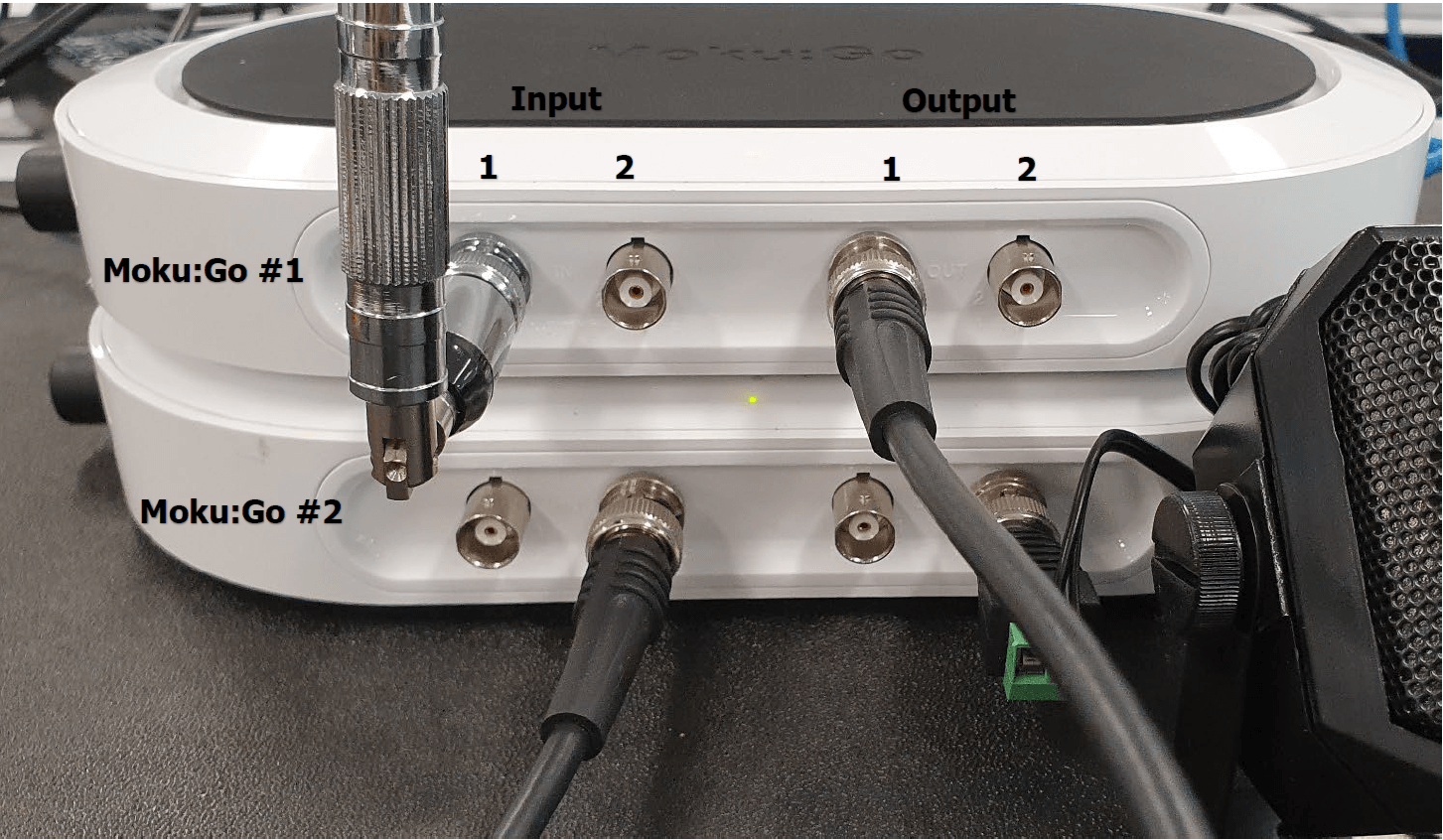
Liquid Instrument’s powerful Multi-instrument Mode is available on Moku:Go, Moku:Lab, and Moku:Pro. On Moku:Go, it features two configurable instrument slots for creating your own mixed-signal test bench. Using two instruments simultaneously unlocks new applications for this portable device and makes it easier to set up and explore more advanced systems and concepts. Moku:Go Moku:Go combines…
-

Using Dynamic Reference Mode in the Moku:Pro Frequency Response Analyzer
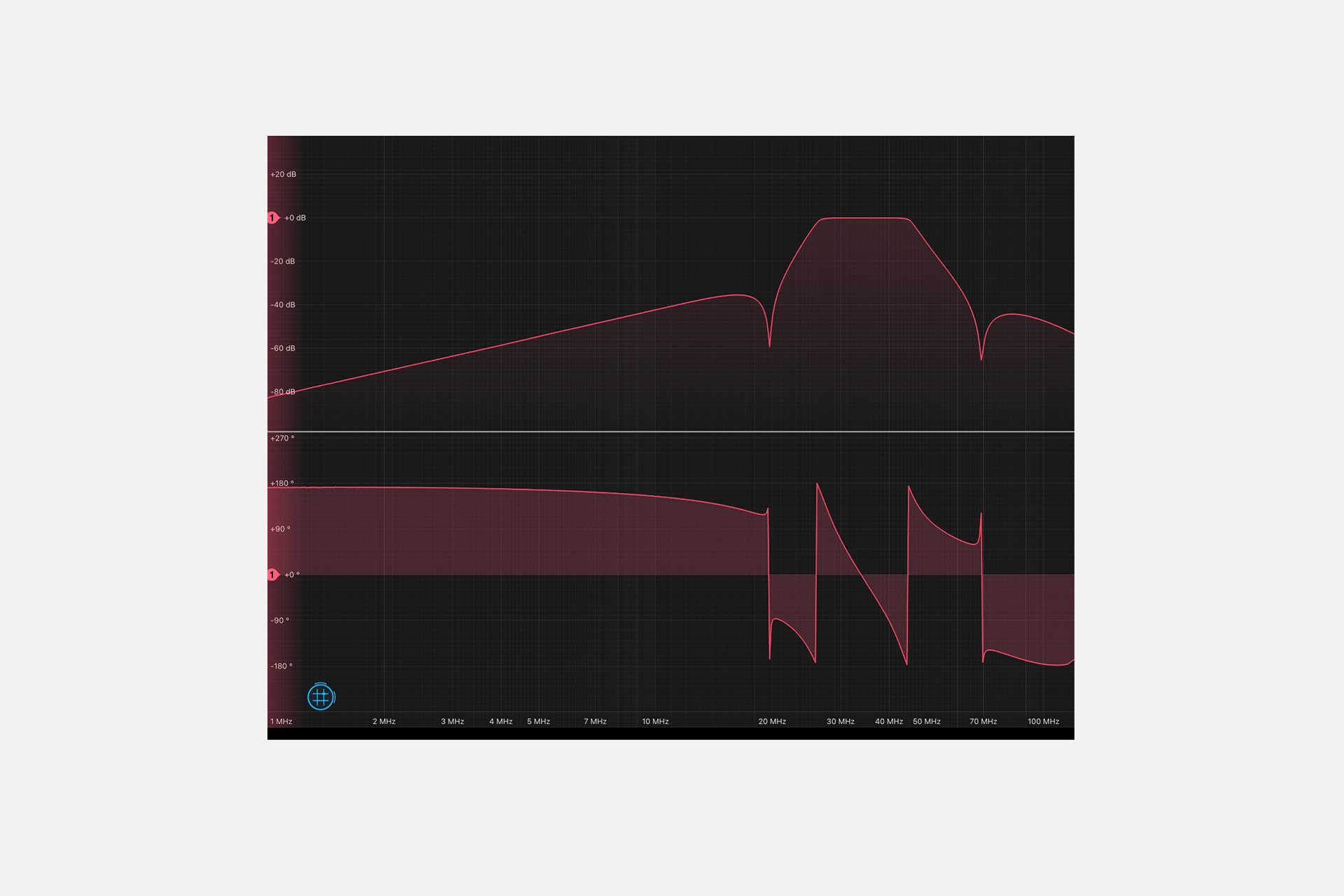
Introduction The Moku:Pro Frequency Response Analyzer (FRA) is designed to drive a device under test (DUT) with a swept sine wave and retrieve the amplitude and phase responses by a direct-conversion receiver. Before the 2.4.0 software update, the measured amplitude response could be represented as either the absolute amplitude in dBm or relative In÷Out amplitude…
-
S-Parameter Measurement with the Frequency Response Analyzer
Transmission and reflection signal information is vital when designing and validating RF components and systems. In this application note, Moku:Lab’s Frequency Response Analyzer is used in conjunction with an RF directional coupler for a complete S-parameter characterization of a two port network. Introduction Imagine shouting into a long, endless hallway. The sound travels into the…
-
Phase Detection with Lock-in Amplifier and Phasemeter
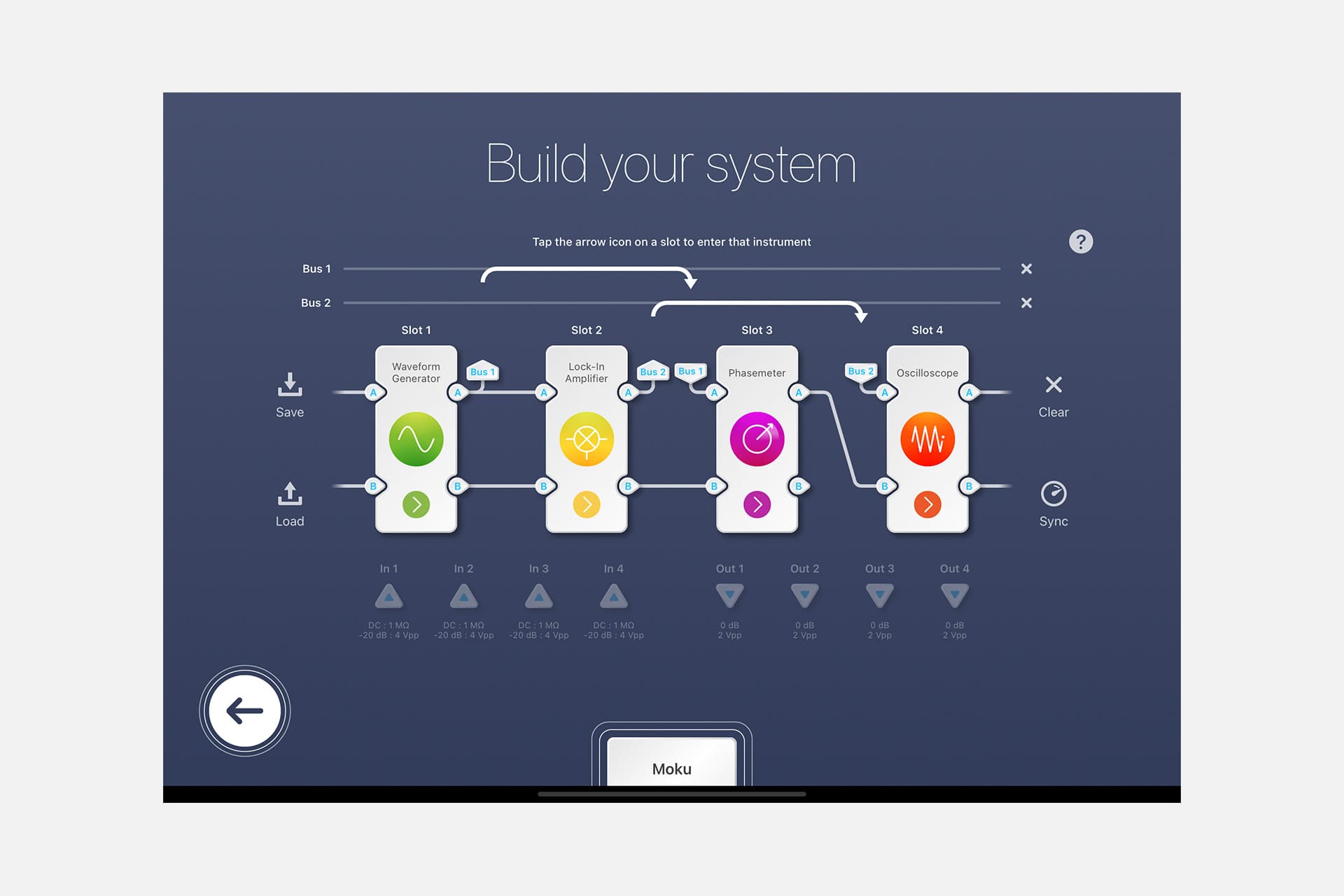
Precise and sensitive phase detections are often required for impedance and optics-based measurements. For example, measuring the phase shift between current and voltage reveals the complex impedance of a device or component. Very small displacements can be measured by the phase shift between control and measurement arms from an optical interferometer. Liquid Instruments’ Moku platform…
-

Using the Lock-in Amplifier to build an AM radio receiver
This lab tutorial discusses a typical undergraduate electronics lab exercise and how it can be effectively conducted using Moku:Go to teach the fundamentals of an AM Radio receiver and Lock-in Amplifier. Moku:Go Moku:Go combines 13+ lab instruments in one high performance device, with 2 analog inputs, 2 analog outputs, 16 digital I/O pins and optional…
-
Precise Delay Generation with the FIR Filter Builder
Moku is a software-defined instrumentation platform for developing, testing, and controlling new technology and designs. Combining instrument integration with unrivaled flexibility, Moku’s intuitive workflow helps scientists, students, and engineers boost efficiency and de-risk projects. [xyz-ihs snippet=”Application-Notes-Precise-Delay-Generation-Moku-FIR-Filter-Builder”] Signal Delay Generation Precisely adjusting the delay of a signal can be important in many applications. For…
-

Closed-loop tuning lab using the Moku:Go PID Controller
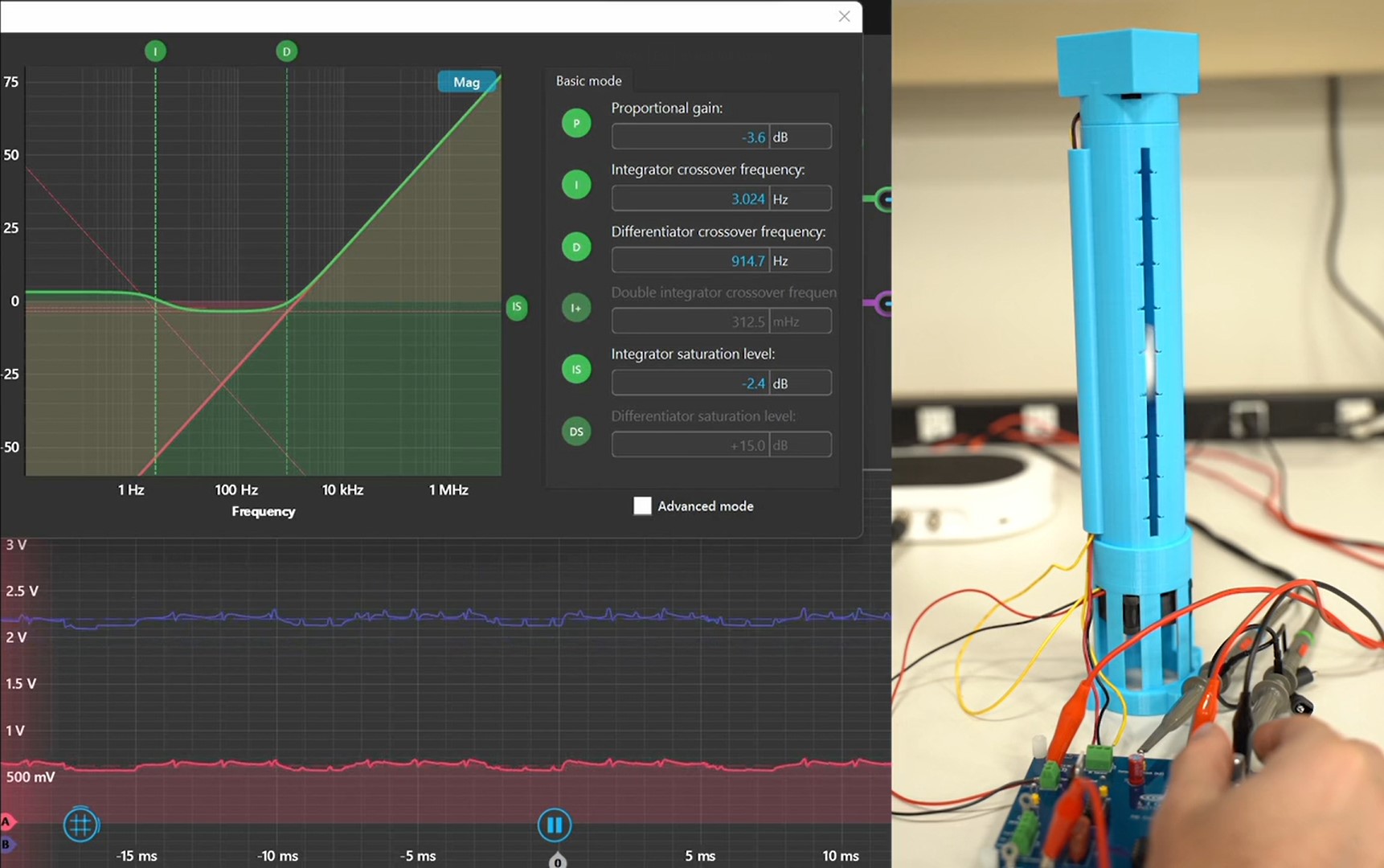
Moku:Go Moku:Go combines 13+ lab instruments in one high-performance device. This application note uses the Moku:Go PID Controller, Oscilloscope, and Programmable Power Supplies to provide a visually engaging way of learning various tuning methods for PID controllers. Introduction The Proportional-Integral-Derivative (PID) controller is one of the most common forms of feedback control, and is…
-

Liquid Instruments and Wurth Elektroniks Power Application Introduction
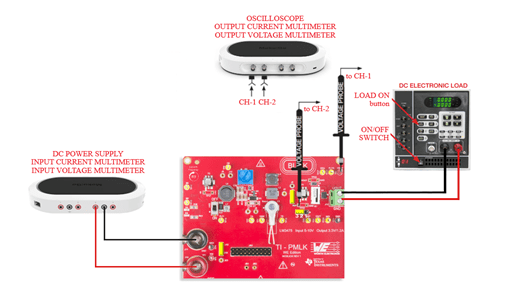
Introduction Analog electronics play a critical role in modern circuit design. As digital electronics become more popular, the gap between analog and digital skills in new graduates is becoming wider. One of the most important analog concepts to electrical engineers is power and power management in a circuit. No matter how digital engineering becomes, having…