Your cart is currently empty!
Author: jpatterson
-

Accelerating microelectromechanical systems (MEMS) design at Oregon State University with Moku:Go
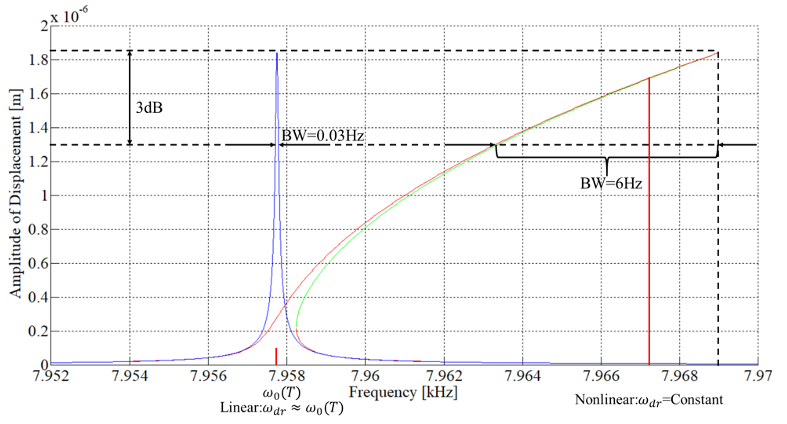
Introduction Microelectromechanical systems (MEMS) are minuscule but mighty machines, typically ranging from a few micrometers to a few millimeters in size. These tiny workhorses can sense, control, and manipulate their environment at a very small scale. Researchers use them in a range of applications, from sensors to actuators to microfluidics. To ensure their reliability, these…
-

Laser locking with closed-loop transfer function measurement
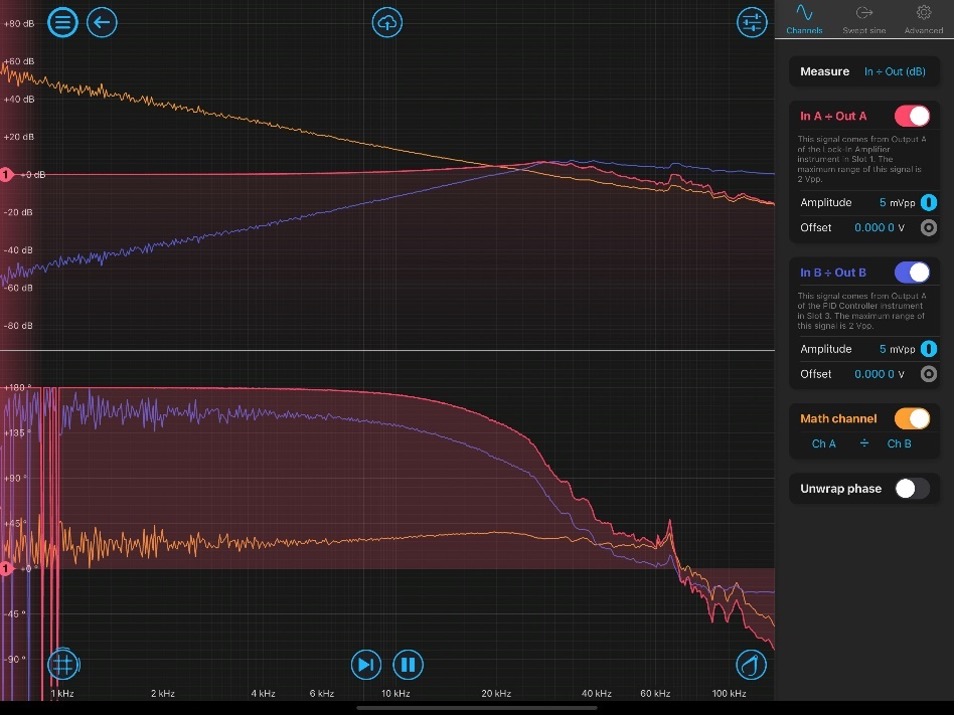
Multi-instrument Mode on Moku:Pro allows you to lock lasers to optical cavities with the Laser Lock Box while also measuring the Bode plots by using the Frequency Response Analyzer (FRA) with no additional test equipment or wiring. By injecting a disturbance into the error signal and measuring the transfer function using the FRA, you can check…
-

Speed of light measurement lab
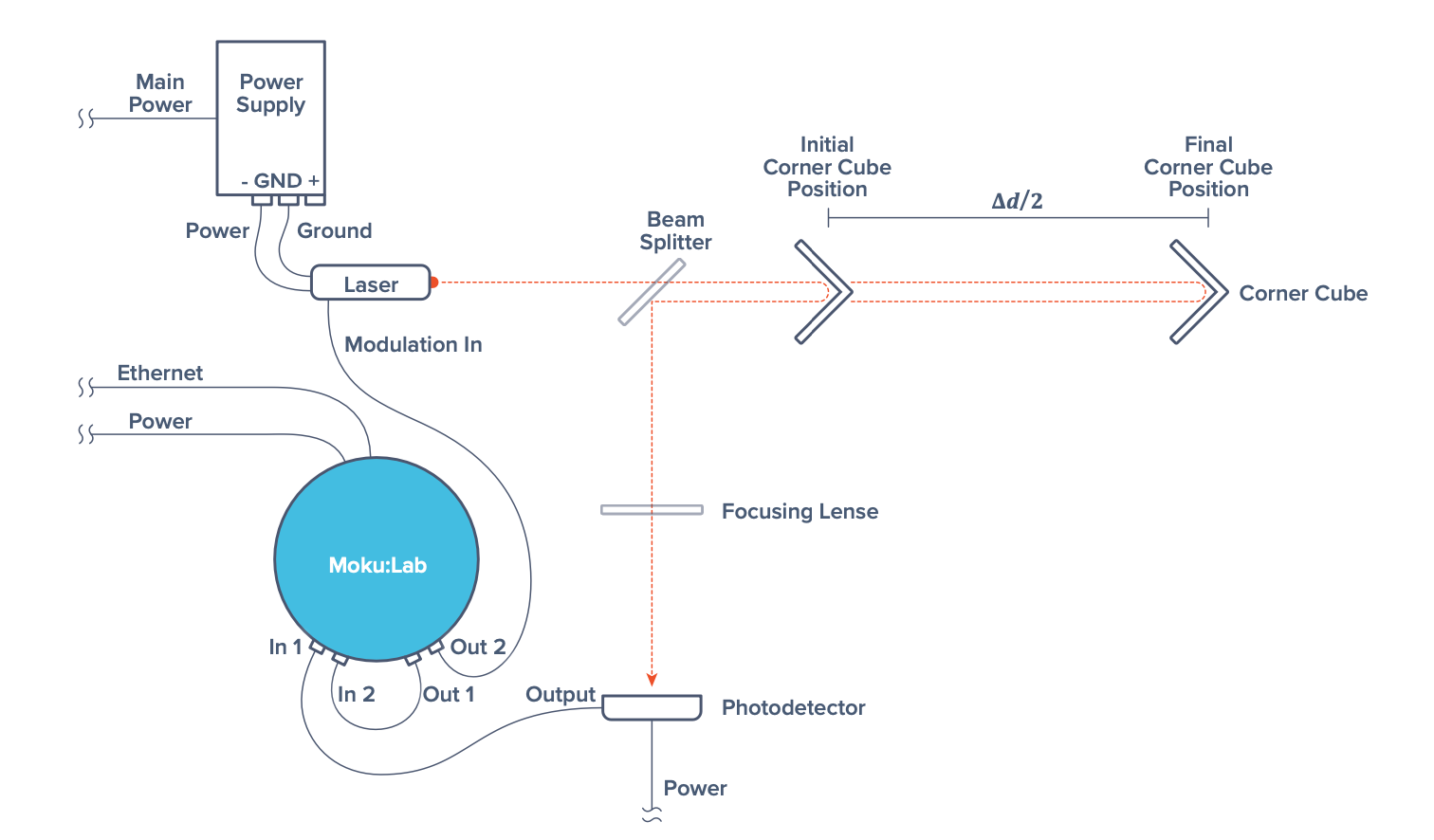
The speed of light is a fundamental property of the universe that underlies countless areas of science and engineering. As such, having a highly accurate and precise measure of it is necessary for scientific and technological progression. Surprisingly, it is possible to get a reasonably accurate measurement without highly specialized instrumentation. Aims To measure the…
-

Phase stabilization using the Moku:Pro PID Controller at the University of Münster
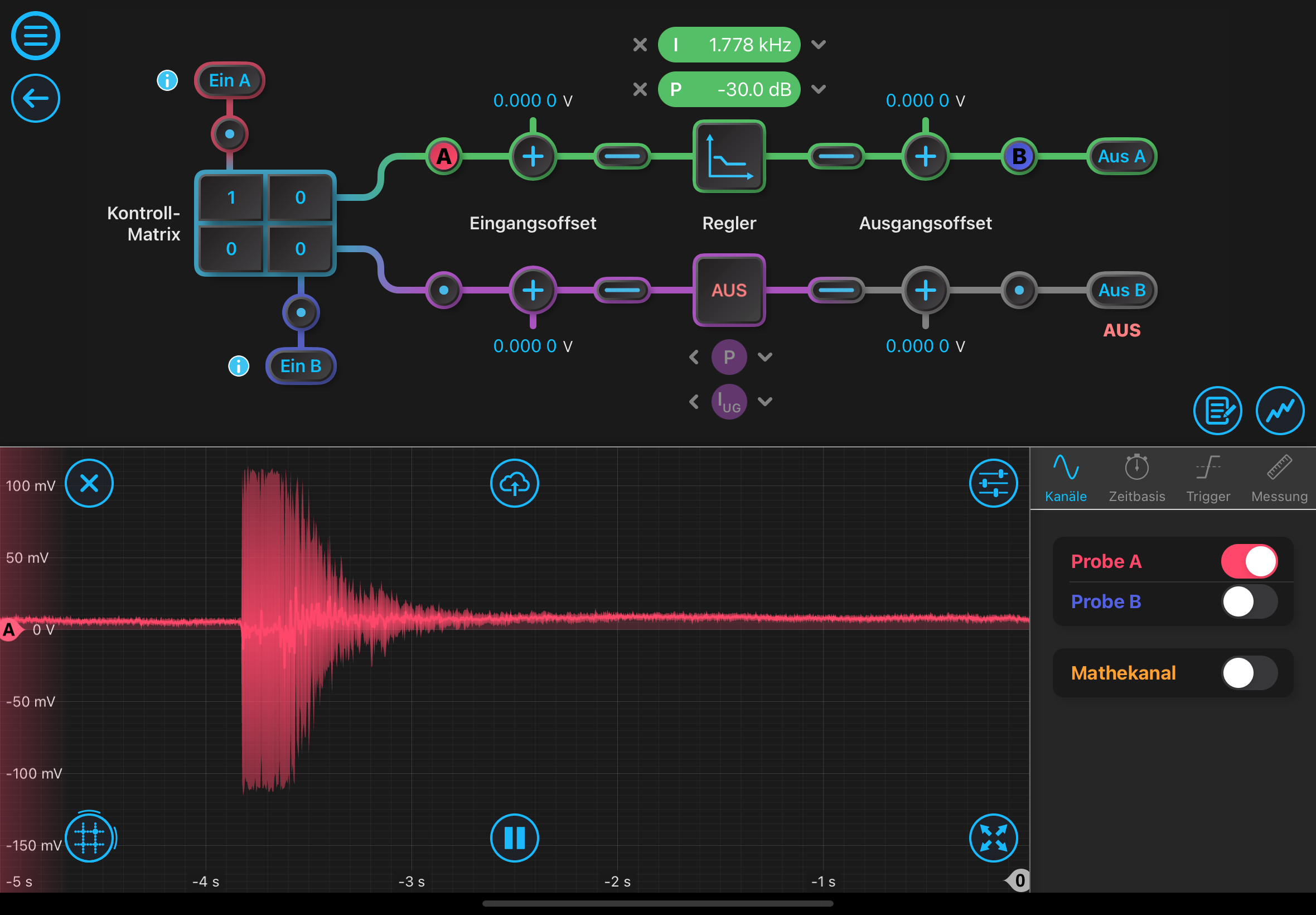
Introduction The University of Münster is Germany’s fifth-largest university, offering more than 120 diverse fields of study. The University of Münster (WWU) Optical Technologies group, part of the Institute of Applied Physics, conducts research in a variety of fields including nonlinear optics and laser concepts. Ph.D. student Kristin Wallmeier, who specializes in nonlinear microscopy, is…
-

Resonator length stabilization with the Moku:Pro Laser Lock Box at the University of Münster
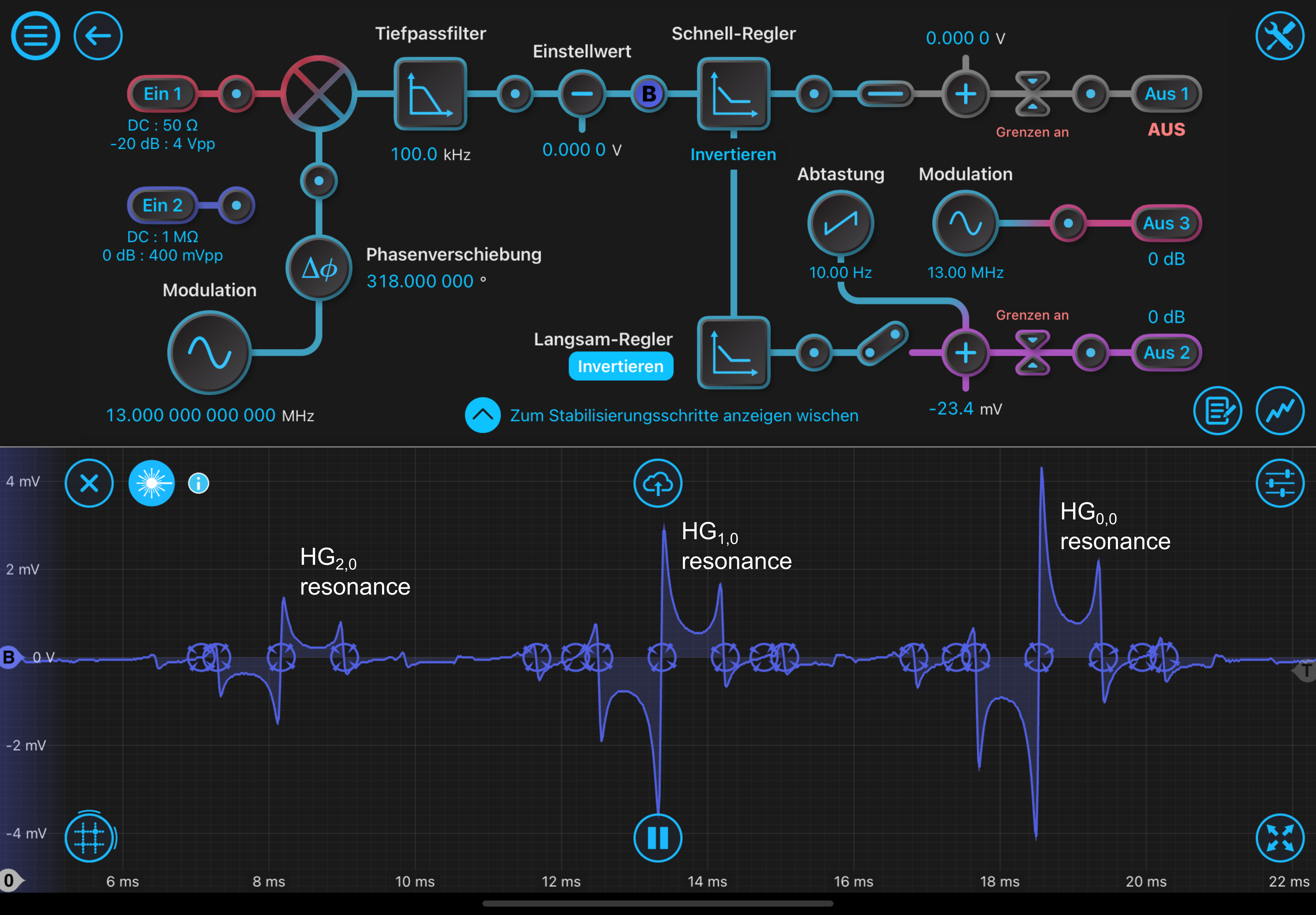
Introduction At the University of Münster, a top educational institution in Germany that offers degree programs in more than 120 fields, Ph.D. student Michael Zwilich is working hard to characterize beams with different spatial profiles. Instead of suppressing the higher-order transverse modes, much like in typical gravitational wave detection methods with a single-frequency Gaussian beam,…